Proven Plan
Our proven framework includes clear checkpoints, reference architectures, and specialized partners who know the path.

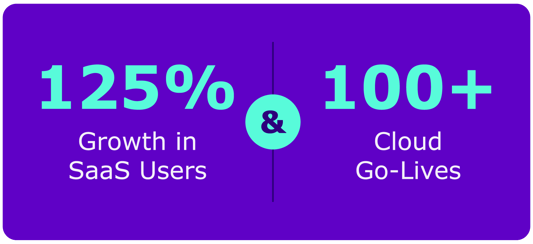
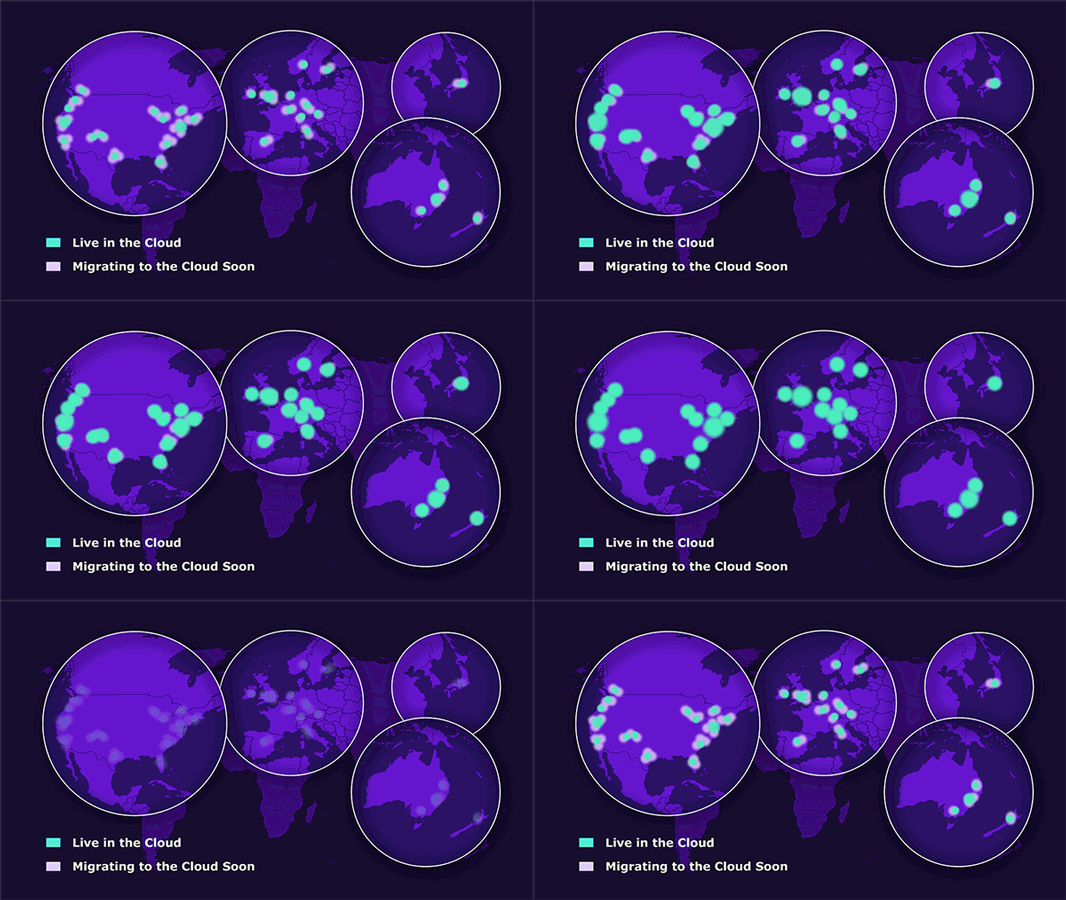
Demand keeps growing for multi-tenant cloud benefits — unified data, AI-powered workflows, automated OCG compliance, and hardware infrastructure cost savings.

“The Elite team guided us every step of the way, enabling us to go-live in under seven months. The transition was seamless, and our billing and finance processes are now faster and more reliable, making our operations more efficient, intuitive, and dependable.”
Julien Desmottes Global Director, Applications Solutions Consulting, Dentons
Defined scope, checkpoints, and validation cycles.
Faster billing and realization cycles, fewer write-offs, and freed IT capacity to focus on analytics and delivering client value.
Continuous improvements without the disruption of lengthy upgrades.
Fewer internal resources tied to support, upgrades, and infrastructure management.
Unified data access across finance, matter management, and reporting.
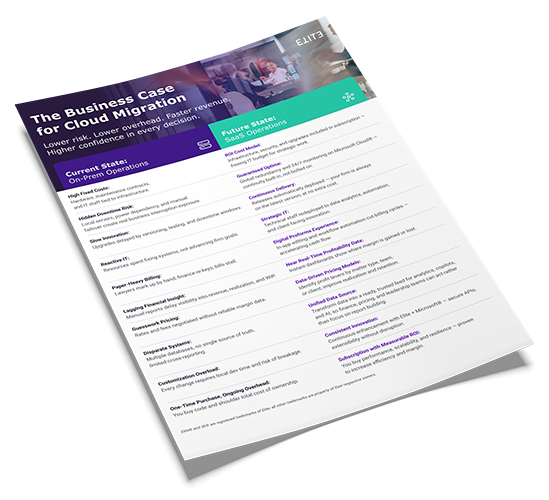
The process isn’t about starting over — it’s about carrying forward what works, modernizing where it adds value, and freeing your teams from infrastructure maintenance permanently.
On-prem upgrades are rarely just upgrades. They become infrastructure projects — new servers, OS and SQL upgrades, extensive retesting, and coordination across multiple teams.
That adds up to significant time and expense simply to stay current. By the time the work is finished, the cloud version has already moved ahead with new capabilities.
Migrating to 3E changes the equation, with benefits now tested and realized across 100+ firms. Most firms complete their migration in just six to nine months, including testing and training.
Our proven framework includes clear checkpoints, reference architectures, and specialized partners who know the path.
Your data, configurations, and approved customizations come forward.
They’re migrated, validated, and signed off in iterative cycles.
We review older customizations compared to today’s product capabilities.
Replacing them where newer functionality (like our Proforma solution) delivers a better experience.
Integrations shift from direct database access to modern APIs, using established patterns developed across dozens of previous projects.
Many firms migrate to 3E in the cloud in just six to nine months from kickoff to go-live. That timeline includes data validation, user testing, and training. The difference from a traditional upgrade is that we’re moving your system, not recreating it. No new hardware.
Every project follows a structured, repeatable sequence:
Most firms bring across:
What usually changes are integrations (modernized for cloud standards) and outdated customizations that now have stronger native equivalents. The result is a cleaner system with less technical debt.
Firm's IT team remains involved in:
Firm's IT team no longer needs to:
The workload shifts from infrastructure management to oversight and data quality.
After 100+ completed migrations, we’ve documented patterns for nearly every major integration used across our customer base. Most integrations are rebuilt using modern APIs or connectors that provide the same data flow without direct database access. Exceptions are handled through a design review early in the process, so there are no surprises late in the timeline. While it can’t be guaranteed, it’s worth noting that to date, we haven’t encountered an integration that couldn’t be transitioned.
There are a number of ways to access your data in our SaaS offering through a full suite of platform capabilities:
Downtime is limited to the final data synchronization window. Most firms experience a weekend-length cutover. Parallel testing or a structured Dress Rehearsal ensures all business-critical functions are operational before final sign-off.
After go-live, many firms enter a “hyper care” period with our Delivery and Support teams, with a focus on performance tuning and enabling your users to take advantage of new capabilities — reporting, automation, and AI features. Upgrades, patches, and maintenance are handled automatically. Your internal team moves from maintaining infrastructure to improving workflows and analytics. Our teams offer hands-on support from go-live through at least your first month end processing to ensure a smooth transition.
An on-prem upgrade now typically requires:
Migration to cloud replaces those costs with a single, planned transition — eliminating the on-prem upgrade cycles entirely. The result is a modernized environment, continuous product innovation, and predictable operating costs.
The first wave of projects helped refine every step of the process. Today’s migrations benefit from:
In short, migration is a standardized process.